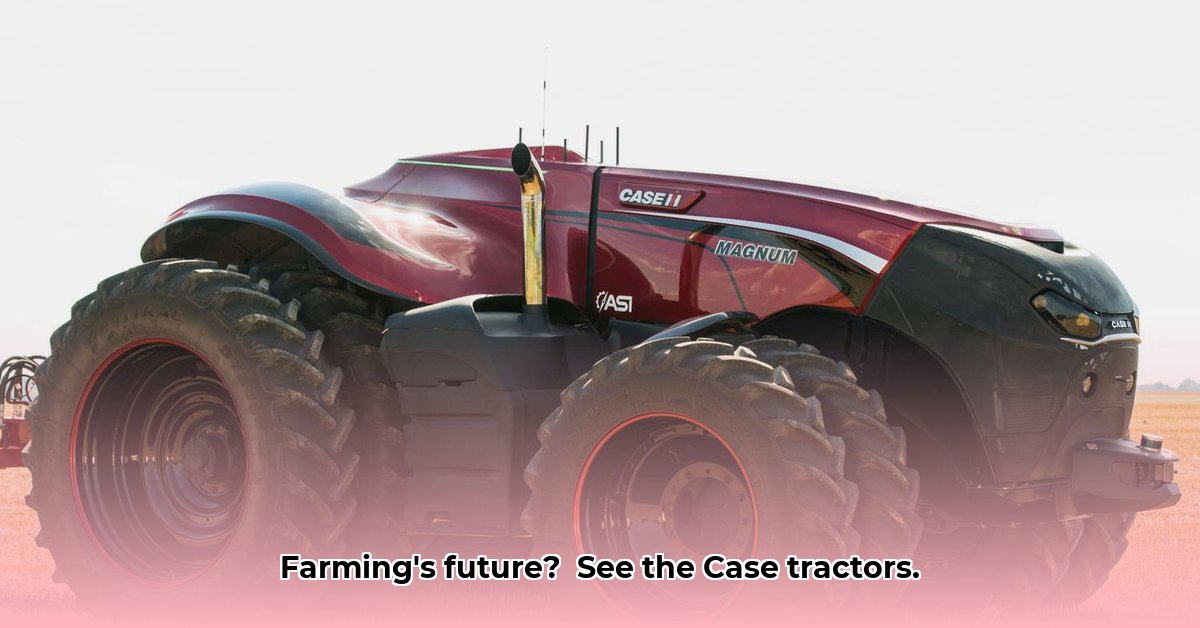
Case tractors, ubiquitous symbols of modern agriculture, are increasingly scrutinized for their role in sustainable farming practices. While images depict advanced technology like GPS guidance and precision planting, a deeper examination reveals a significant data gap hindering a definitive assessment of their overall environmental impact. For more information on Case tractor attachments, see Case Tractor Attachments. This article explores the complex relationship between Case tractors, precision farming, and sustainability, highlighting the need for more transparent and comprehensive research.
Precision Farming and Case Tractor Capabilities
Images of Case tractors showcase advancements in precision farming, a system designed to optimize resource utilization and minimize environmental impact. GPS-guided tractors and precision planting equipment, frequently featured in promotional materials, promise increased efficiency. By accurately targeting fertilizer, pesticides, and water, precision farming reduces waste and potentially minimizes the ecological footprint of agricultural operations. This targeted approach promises significant benefits for sustainable agriculture. However, the extent of these benefits requires further investigation.
Sustainability Concerns and Data Deficiencies
While the visual appeal of Case tractors suggests environmental responsibility, critical data remain elusive. Key sustainability concerns include fuel efficiency, greenhouse gas emissions throughout the tractor's lifecycle, and the overall ecosystem impact of its operation. The lack of publicly available, independent studies comparing Case tractors' environmental performance to competitors creates a significant knowledge gap. Without comprehensive data encompassing the entire manufacturing, operational, and disposal phases, any claim regarding sustainability remains speculative. This absence of transparent Life Cycle Assessments (LCAs) is a major obstacle to fully understanding the environmental implications.
Stakeholder Perspectives: A Multifaceted Challenge
Several stakeholders bear responsibility for addressing this data deficiency. Case IH (CNH Industrial), the manufacturer, has a strong incentive to conduct and publish detailed LCAs, providing transparent information on its tractors' environmental performance. Farmers, the primary users, require this data to make informed purchasing decisions based on both cost-effectiveness and environmental considerations. Governments and regulatory bodies can encourage responsible manufacturing practices through incentives and stricter environmental standards. Finally, investors increasingly prioritize environmentally sustainable investments, placing further pressure on manufacturers to improve transparency and reduce environmental impacts.
The Path Forward: Research and Transparency
The potential for Case tractors and similar technology to contribute to sustainable agriculture is undeniable. However, realizing this potential requires immediate action. High-quality, independent research is essential. This includes:
Independent Comparative Testing: Rigorous standardized tests should compare fuel efficiency, emissions, and overall environmental impact across different tractor models, including Case tractors and competitors.
Transparent Data Sharing: Manufacturers should be encouraged to publicly release comprehensive operational and lifecycle data for their products.
Comprehensive Lifecycle Assessments (LCAs): Thorough LCAs, accounting for the entire environmental footprint from manufacturing to disposal, are crucial for accurate assessment.
Only through such comprehensive efforts can we move beyond the limitations of marketing imagery and gain a clearer understanding of the environmental implications of Case tractors and their contributions, or lack thereof, to a truly sustainable future in agriculture. The journey toward sustainable agriculture demands a commitment to transparency and data-driven decision-making.